

Must-see
Areguá · Central
Areguá
Capital of pottery and strawberries, with historic mansions stepping down from the church to the lake.
29 km1 day
Editorial selection by Asunción City, with data checked in September 2026.
Areguá · Central
Capital of pottery and strawberries, with historic mansions stepping down from the church to the lake.

Areguá · Central
Five- and six-sided sandstone columns: a geological rarity with few equals anywhere in the world.

Areguá, San Bernardino e Ypacaraí · Central y Cordillera
The lake behind Paraguay's most famous guarania: sunsets, sailboats and historic towns along its shores.

San Bernardino · Cordillera
An 1881 German colony on the shores of Ypacaraí and Paraguay's summer capital: lakeside promenade, bars and long nights.

Luque · Central
The home of South American football: trophies, championship jerseys and interactive exhibits, with free entry.

Itauguá · Central
The capital of ñandutí: handmade 'spiderweb' lace, sold right along Route PY02.

Itá · Central
One of the oldest towns in the country and a capital of pottery, with a clay tradition recognized by UNESCO.

Ypacaraí · Central
The town that gave the lake its name and home of the Lake Festival, Paraguay's great showcase of folk culture.

Luque · Central
Capital of gold and silver filigree and birthplace of guitar and harp makers, minutes from the airport.

Luque · Central
The big green lung between Asunción and the airport, with a 5 km loop for walking and running.

Capiatá · Central
A colonial-era church dedicated to Our Lady of Candelaria and a museum of Guarani myths, right on Route PY02.
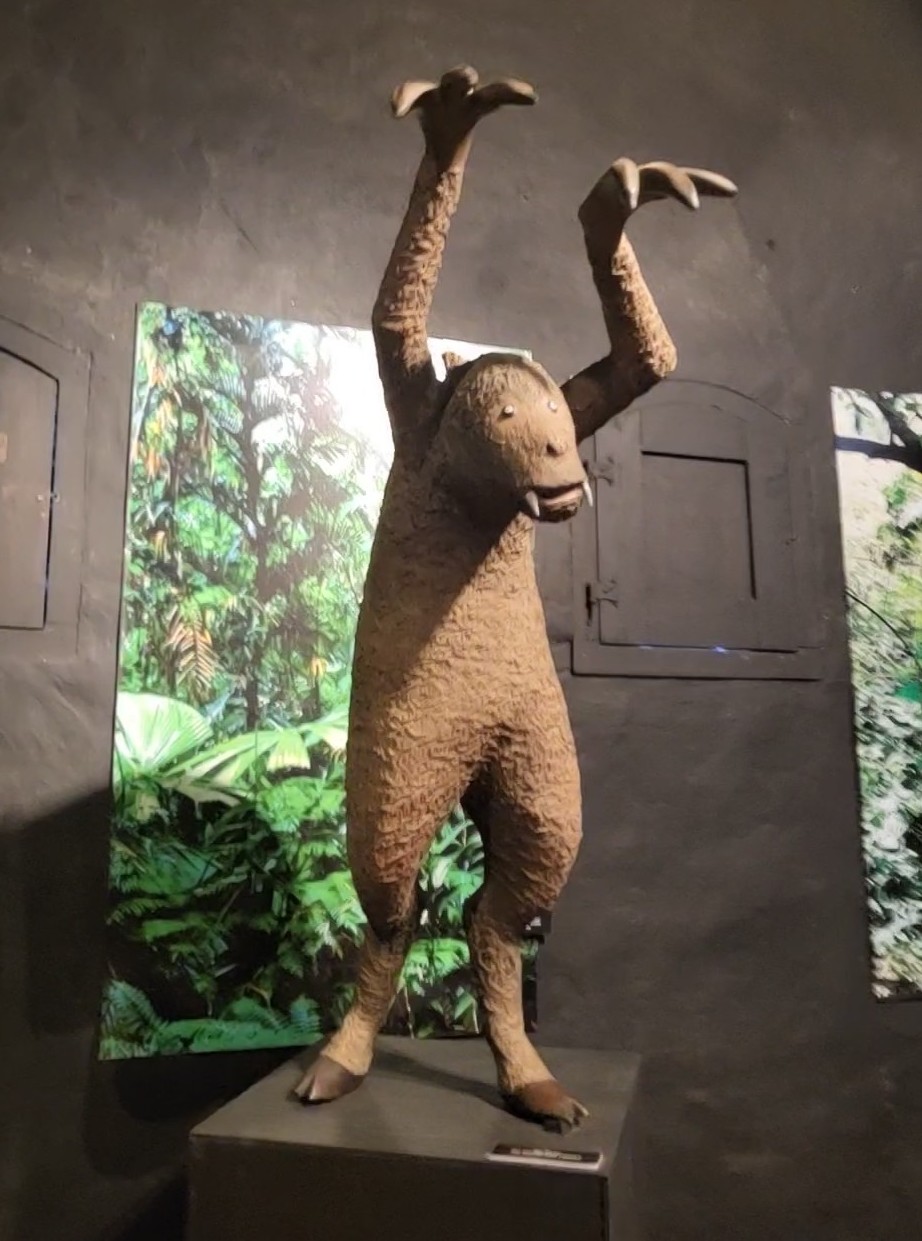
Capiatá · Central
The Pombero, the Kurupi and the Luisõ turned into sculpture: Guarani mythology as imagined by Ramón Elías.

Limpio · Central
Karanda'y palm hats, a church with colonial roots and lagoons of giant water lilies beside the Paraguay River.

Lambaré · Central
Asunción's neighbor at the foot of Cerro Lambaré, home to the legend of a Guarani chief and the much-loved burreritas.

Villeta · Central
A colonial port on the Paraguay River, scene of the December 1868 campaign, with a brand-new riverside promenade.

Ypané · Central
A former Franciscan mission town on the Paraguay River, with the great monument to the Battle of Ytororó.

Guarambaré · Central
A sugarcane town with 19th-century mansions and a mill that exports organic sugar.

San Lorenzo · Central
Paraguay's only neo-Gothic cathedral, built between 1919 and 1968, keeper of a clock from the 1850s.

Ñemby · Central
A colonial chapel from 1718, an extinct volcano with an emerald lagoon, and the Holy Week estacioneros.

Ñemby · Central
An extinct volcano some 45 million years old, turned by a quarry into a green-water lagoon.

Villa Elisa · Central
A colony founded in 1899, the only one in the country settled by Swedes, Belgians, Danes and Germans.

San Antonio · Central
A military outpost from 1672 on the Paraguay River, with a waterfront promenade opened in September 2025.

Itauguá · Central
Itauguá's highest point, about 247 m, with forest tied to the Lake Ypacaraí ecosystem.

Itauguá · Central
A neoclassical church built between 1896 and 1908, in the heart of the ñandutí capital.

Villeta · Central
The fortified hills where, in December 1868, the decisive battle of the Pikysyry campaign was fought.

Luque · Central
A neoclassical church built between 1928 and 1939 over a 1750 chapel, today one of the country's major shrines.
Fernando de la Mora · Central
Descendants of Artigas's lancers have kept the drums and the feast of San Baltasar alive since 1820.
Mariano Roque Alonso · Central
Every July, the country's biggest fair: show cattle, Paraguayan industry, food and entertainment.
San Lorenzo · Central
A city founded in 1775 on a Jesuit estate, home to the UNA campus and a neo-Gothic cathedral unique in the country.
Fernando de la Mora · Central
A small municipal park of about 2 hectares, with natural paths and capybaras, next to the Campo Grande stream.
Itauguá · Central
A parish museum from 1964 in a colonial house, with Franciscan and Jesuit sacred art, Chaco War objects and a ñandutí room.

Caacupé · Cordillera
Paraguay's spiritual capital: a Marian basilica, the Virgin's spring and the country's largest pilgrimage.

Tobatí · Cordillera
Paraguay's craft capital: potters, carvers of saints and sandstone hills with a natural stone arch.

Piribebuy · Cordillera
Heroic town of 1869 and home of the 60-stripe poncho para'i, recognized by UNESCO as intangible heritage.

Yaguarón · Paraguarí
A jewel of Guaraní Baroque: 18th-century altarpieces and a candidate for UNESCO World Heritage status.

Sapucai · Paraguarí
A railway town among the hills: British workshops from 1894, steam locomotives and the English technicians' houses.

Ybycuí (Minas Cué) · Paraguarí
Atlantic Forest, cold-water falls and the ruins of the La Rosada iron foundry, from 1854.

La Colmena (compañía Isla Alta, límite con Borja, Guairá) · Paraguarí
A curtain of crystal-clear water over rock walls, hidden in the forest between Paraguarí and Guairá.

Atyrá · Cordillera
Billed as Paraguay's cleanest town: leatherworkers, Franciscan altarpieces and country inns in the Cordillera de los Altos.

Altos · Cordillera
The 'nation's terrace': a Franciscan town with German heritage, timbó wood carvings and the Kamba Ra'anga masked festival.

Emboscada · Cordillera
A town of stone and Afro-Paraguayan heritage, where feathered Guaikurú dancers honor San Francisco Solano every July.

Piribebuy (colonia Piraretã) · Cordillera
A hidden waterfall in the Piraretã farming community, with a stream and fresh forest air.

Eusebio Ayala · Cordillera
The republic of chipá: some fifty chipa bakeries and the memory of the child soldiers of Acosta Ñu.

Caraguatay · Cordillera
An open-air naval museum: the ships the Paraguayan fleet scuttled in 1869 beside the Yhaguy River.

Valenzuela · Cordillera
The pineapple town: a Franciscan church from 1783 with statues from the 1600s, and streams for cooling off.

Paraguarí · Paraguarí
A town of hills and trains where Belgrano was stopped in 1811: lookouts, railway museums and rail bikes.

Acahay · Paraguarí
An ancient volcanic complex visible from Asunción: trails, rock outcrops, caves and a crystal-clear stream on its slopes.

Carapeguá · Paraguarí
Capital of poyvi: loom-woven blankets, hammocks and ponchos on the banks of the Caañabé stream.

Quiindy · Paraguarí
The ball capital: whole families hand-stitch balls for football, volleyball, rugby and pikivóley.

Caapucú · Paraguarí
A town of colonial houses and the Casa Stewart, with white-sand beaches on the Tebicuary River.

Quiindy (acceso por la compañía Niño–Tacuary) · Paraguarí
A vast wetland of floating islands and lagoons, a little-explored Ramsar site south of Asunción.

Yaguarón · Paraguarí
A hill of about 250 m with a free viewpoint at the top, footprints attributed to Saint Thomas and local legends.

Ybycuí · Paraguarí
The rebuilt ruins of the iron foundry from the era of Carlos Antonio López, destroyed in 1869.

Caacupé · Cordillera
A peak of about 300 m in the Cordillera de los Altos, on Route 2, with wide views and a reputation as an educational ecological reserve.

Atyrá / Tobatí · Cordillera
A waterfall on the Karumbey stream, on the natural boundary between Atyrá and Tobatí, among Cordillera de los Altos hills.

Atyrá · Cordillera
A 1928 church that keeps an 18th-century altar and the Franciscan memory of the country's cleanest city.

Itacurubí de la Cordillera · Cordillera
The "Garden of the Republic": a crystal-clear stream, stone springs and a natural park in the heart of Cordillera.

Piribebuy · Cordillera
One of the Piribebuy-area waterfalls, on the road to Itacurubí, alongside Piraretã and Siete Caídas.

Pirayú · Paraguarí
A 1769 town with a church from 1761, a railway station with two towers and a waterfall tied to Elisa Lynch.

Piribebuy · Cordillera
Piribebuy's church from 1753, witness to the 1868 wartime capital and the battle of 12 August 1869.

Escobar · Paraguarí
A railway town from 1901 with a historic Carlos Antonio López Railway station and a small museum.

Paraguarí · Paraguarí
A ridge of the Cordillera de los Altos, a Municipal Interest Natural Reserve since 2007.

Quiindy · Paraguarí
A mound of about 331 m, 7 km east of Quiindy, reached by a dirt road from Route 1.

Paraguarí · Paraguarí
One of the hills ringing Paraguarí, with a trail to the summit and a viewpoint, also called Cerro Negro.
Arroyos y Esteros · Cordillera
The 'emerald of the hills': rivers, wetlands and the birthplace of Paraguay's organic sugar.
La Colmena · Paraguarí
Birthplace of Japanese immigration to Paraguay: orchards, apiaries and a hill nicknamed 'Colmena Fuji'.
Yaguarón · Paraguarí
The 1770–1780 colonial house of the Francia family, turned into a free museum in 1968, next to the church.
Paraguarí · Paraguarí
The setting of the 19 January 1811 clash that stopped Belgrano, a milestone of independence.
Tobatí (límite con Caacupé) · Cordillera
A hill with wind-eroded flanks and caves, declared a protected landscape in 2014 and suited to climbing.
Santa Elena · Cordillera
The "mandarin city", with a tunnel of trees more than 2 km long at the town entrance.
Isla Pucú · Cordillera
A Cordillera town where, in August 1869, around 1,200 soldiers covered López's retreat after Acosta Ñu.

Alberdi · Ñeembucú
A port on the Paraguay River facing Formosa, with a family beach and the Ypoá wetlands as backdrop.
Villa Oliva · Ñeembucú
A fishing village an hour from Villeta where boats outnumber houses and the Ypoá wetlands begin.

Coronel Oviedo · Caaguazú
The old Villa de Ajos, Paraguay's crossroads: Rosary festivities, its own orchestra and farms for unplugging.

Villa Hayes · Presidente Hayes
The gateway to the Chaco, half an hour from Asunción, named after a president of the United States.

Villa Hayes / Mariano Roque Alonso · Presidente Hayes
The 1978 bridge over the Paraguay River linking Mariano Roque Alonso with Villa Hayes and opening the door to the Chaco.

Asunción / Nueva Asunción (ex Chaco'i) · Presidente Hayes
A cable-stayed bridge opened in 2024 between Asunción and Nueva Asunción, with a bike path and pedestrian walkway.

Villa Hayes · Presidente Hayes
A pier and promenade on the Paraguay River at the north end of the Villa Hayes waterfront, with 400 m² of rest area.
Villa Hayes · Presidente Hayes
Villa Hayes municipal museum with about 3,000 pieces: Chaco flora and fauna, war objects, sacred art and founding documents.
Villa Hayes / Limpio · Presidente Hayes
A rocky rise on a small island in the Paraguay River, between Villa Hayes and Limpio, topped by a small castle.