 Cmasi · CC BY-SA 4.0
Itauguá
The capital of ñandutí: handmade 'spiderweb' lace, sold right along Route PY02.
What it is
Along Route PY02, Itauguá's roadside stalls are hung with tablecloths, blouses, earrings and even shoes made of ñandutí, the needle lace whose Guarani name means 'spiderweb', worked on frames in radiating circles. The Ñandutí Community Museum tells the story of the craft, and you can buy pieces directly from the lacemakers at the Artisans' Coordinating Association, in the municipal cultural center. The town center holds the church of Our Lady of the Rosary (1896-1908) and houses dating from the era of Dr. Francia.
What to see and do
- Buy ñandutí straight from the lacemakers along Route PY02
- The Ñandutí Community Museum (calle Gral. Caballero)
- The Ñandutí Artisans' Coordinating Association, in the municipal cultural center
- The church of Our Lady of the Rosary (1896-1908)
Did you know…?
Although it's often claimed, ñandutí is not inscribed as UNESCO heritage: its nomination is still listed as a pending file.
Law No. 4591 of 2012 officially declared it the 'capital of ñandutí'.
The festival was born in June 1970 out of cultural gatherings known as 'peñas luneras' (Monday-night folk sessions).
History
The conventional founding date is June 27, 1728, under Governor Martín de Barúa Picaza, on top of earlier Guarani settlements and with a Franciscan mission presence. Here ñandutí became the country's emblematic craft, and a 2004 departmental ordinance declared Itauguá the 'capital of ñandutí', a title confirmed by Law No. 4591 in 2012. The National Ñandutí Festival has been held since 1970.
Tips
- Ñandutí Community Museum: Monday to Friday 9:00–12:00 and 15:00–17:00 (check before you go).
- Artisans' Coordinating Association: Monday to Friday 8:00–12:00 and 12:30–17:00, Saturday 8:00–12:00 (check before you go).
- In the days before December 8, Route PY02 fills with pilgrims heading to Caacupé: avoid driving then.
Best time: Year-round, on weekdays when the museum and lacemakers are open; the festival usually falls in the second half of the year.
Activities
Where to stay
Festivals and events here
National Ñandutí Festival
Folk music, dance and ñandutí lace in the town of weavers: two nights of competition for the Golden Ñandutí.
MusicItauguá, CentralFeatured7OctVirgen del Rosario · Itauguá
In the birthplace of ñandutí (Paraguay's delicate spiderweb lace): procession, arts festival, torín (Paraguayan-style bullfighting), asado a la estaca (meat roasted on stakes) and jineteada (bronc riding).
Patron saintItauguá, CentralFeaturedNearby

Ypacaraí · Central
Ypacaraí
The town that gave the lake its name and home of the Lake Festival, Paraguay's great showcase of folk culture.

Areguá · Central
Monumento Natural Cerros Kõi y Chororĩ
Five- and six-sided sandstone columns: a geological rarity with few equals anywhere in the world.

Areguá · Central
Areguá
Capital of pottery and strawberries, with historic mansions stepping down from the church to the lake.

Capiatá · Central
Capiatá
A colonial-era church dedicated to Our Lady of Candelaria and a museum of Guarani myths, right on Route PY02.

Areguá, San Bernardino e Ypacaraí · Central y Cordillera
Lago Ypacaraí
The lake behind Paraguay's most famous guarania: sunsets, sailboats and historic towns along its shores.
Capiatá · Central
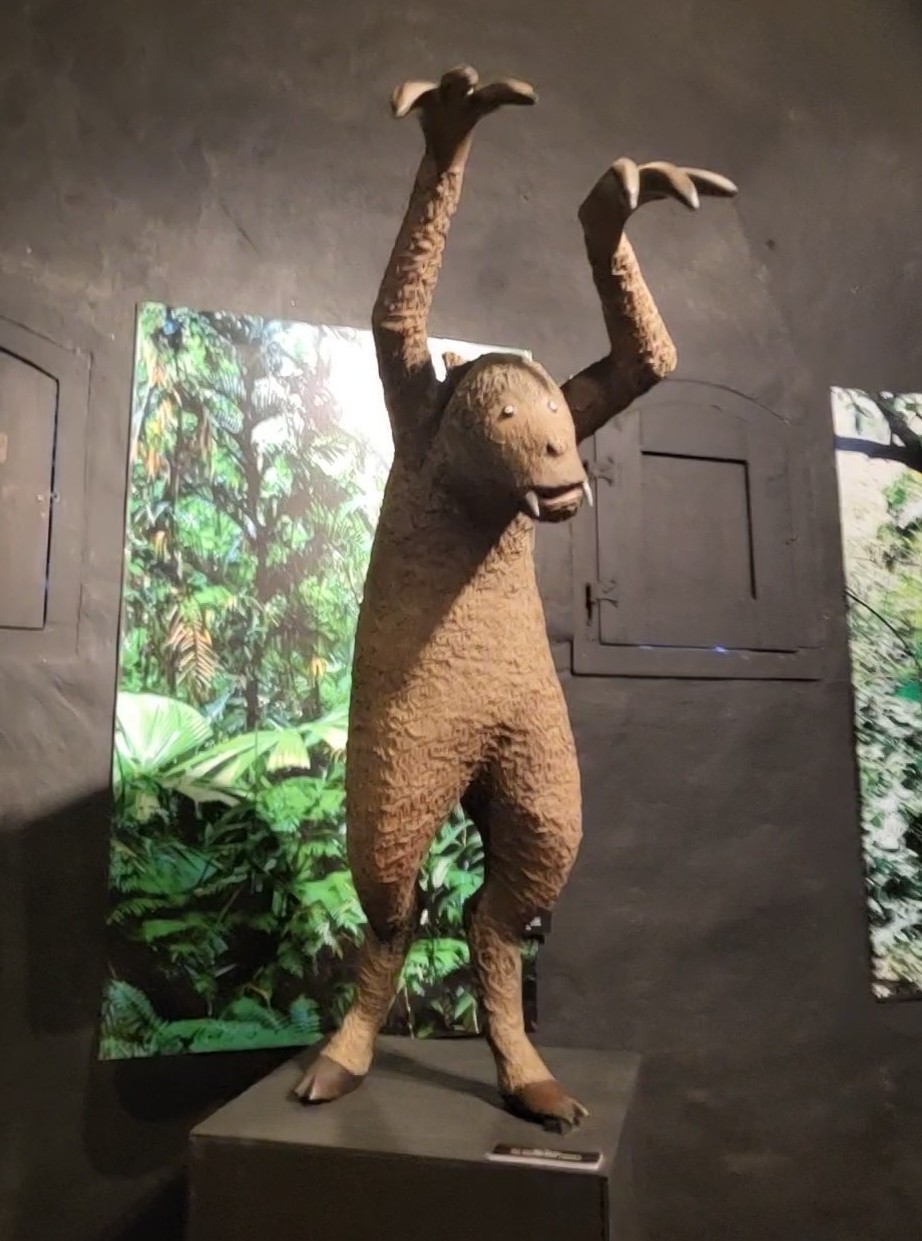
Museo Mitológico Ramón Elías
The Pombero, the Kurupi and the Luisõ turned into sculpture: Guarani mythology as imagined by Ramón Elías.
Researched and reviewed in September 2026 with 7 sources. A second reviewer checked dates, coordinates and lodging. Hours and prices may change.