 Cmasi · CC BY-SA 4.0
Capiatá
A colonial-era church dedicated to Our Lady of Candelaria and a museum of Guarani myths, right on Route PY02.
What it is
Although it's now one of the most populous cities in the country, Capiatá still has, at its heart, the parish church of Our Lady of Candelaria, considered one of Paraguay's oldest and most emblematic churches, whose religious art shows the influence of Hispano-Guarani Baroque. Around km 19-20 of Route PY02 you'll find the Ramón Elías Mythological Museum, which gives form to the creatures of Guarani mythology.
What to see and do
- The parish church of Our Lady of Candelaria and its colonial religious art
- The Ramón Elías Mythological Museum (Route PY02, km 19-20)
- Fresh-baked chipa from the stalls along Route PY02
Did you know…?
It's the fourth most populous city in Paraguay (2022 census), yet it keeps a colonial-era church at its center.
Its patron, Our Lady of Candelaria, is celebrated on February 2, the same day as in Areguá.
History
According to the most widely told version, Capiatá was founded on February 2, 1640 under Governor Martín de Ledesma Valderrama, around a chapel dedicated to Our Lady of Candelaria; some historians credit other governors with its founding. The church, originally built of wood in the 18th century, has a 19th-century facade. Its town council was established on May 20, 1878. According to the 2022 census it has 236,999 inhabitants.
Tips
- Route PY02 gets congested at rush hour: visit mid-morning on a weekday.
- To see inside the church, go during Mass times or ask at the parish office.
Best time: Year-round; February 2 for the feast of Candelaria.
What to try
- Chipa, the cassava-starch and cheese bread, from the stalls along Route PY02
Activities
Where to stay
Festivals and events here
Nearby
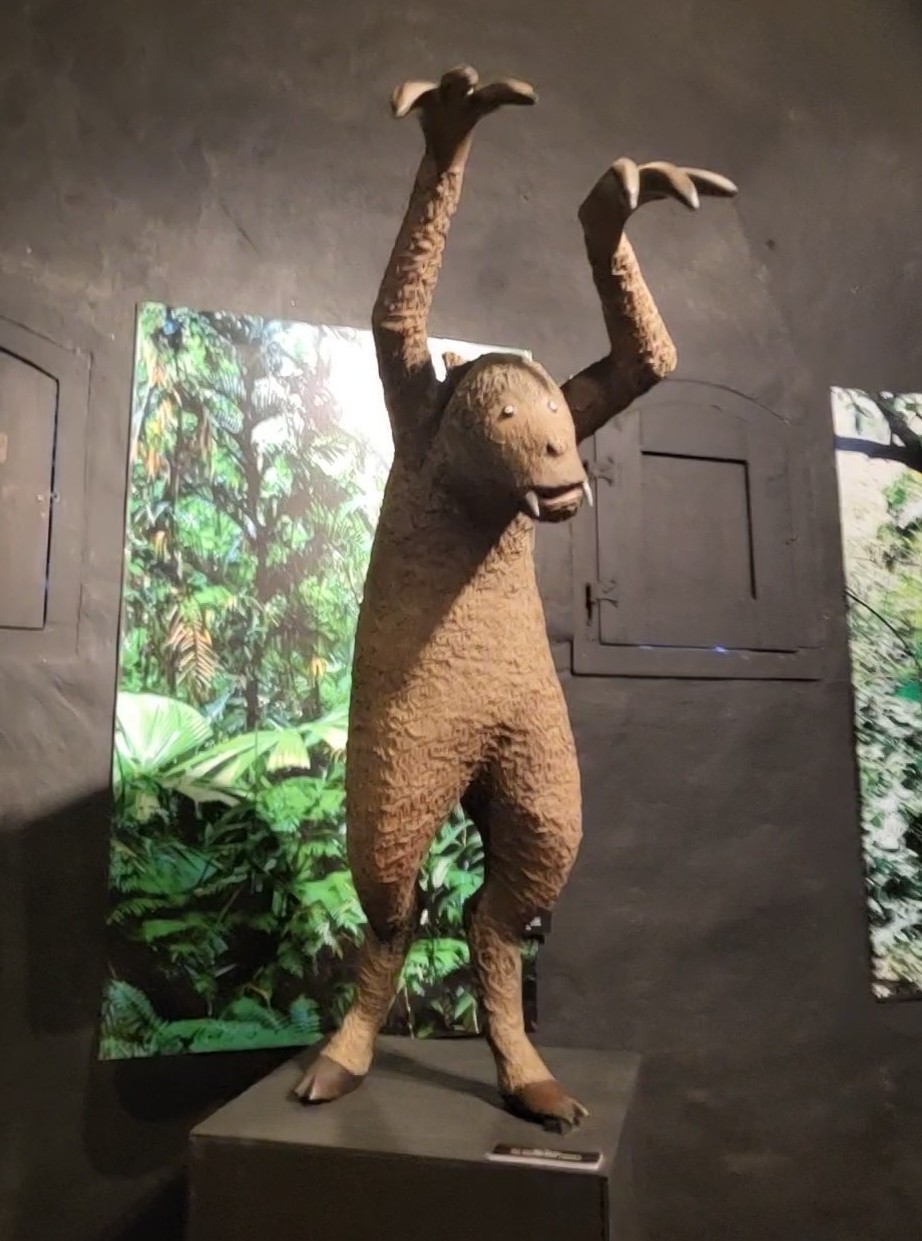
Capiatá · Central
Museo Mitológico Ramón Elías
The Pombero, the Kurupi and the Luisõ turned into sculpture: Guarani mythology as imagined by Ramón Elías.

Areguá · Central
Monumento Natural Cerros Kõi y Chororĩ
Five- and six-sided sandstone columns: a geological rarity with few equals anywhere in the world.

Areguá · Central
Areguá
Capital of pottery and strawberries, with historic mansions stepping down from the church to the lake.
Fernando de la Mora · Central
Kamba Kua (comunidad afroparaguaya)
Descendants of Artigas's lancers have kept the drums and the feast of San Baltasar alive since 1820.

Itauguá · Central
Itauguá
The capital of ñandutí: handmade 'spiderweb' lace, sold right along Route PY02.

Luque · Central
Luque
Capital of gold and silver filigree and birthplace of guitar and harp makers, minutes from the airport.
Researched and reviewed in September 2026 with 5 sources. A second reviewer checked dates, coordinates and lodging. Hours and prices may change.