 Cmasi · CC BY-SA 4.0
Monumento Natural Cerros Kõi y Chororĩ
Five- and six-sided sandstone columns: a geological rarity with few equals anywhere in the world.
What it is
Two small wooded hills on the outskirts of Areguá hide one of the rarest formations on the continent: sandstone that was heated by ancient intrusions of igneous rock and, as it cooled, fractured into five- and six-sided prisms, like a honeycomb of stone. A 1.2 to 1.5 km trail winds through native forest and rock outcrops to a lookout over Lake Ypacaraí. The protected area covers 17 hectares (12 on Kõi and 5 on Chororĩ) and is looked after by rangers from MADES, the environment ministry.
What to see and do
- A 1.2 to 1.5 km trail (depending on the source) among sandstone prisms (≈ 50 min)
- Summit lookout with views of Lake Ypacaraí
- An introductory talk from the rangers on your first visit
- Pair it with Areguá's historic center
Did you know…?
According to MADES rangers, columnar sandstone like this is known only in Canada, South Africa and Paraguay; in South America it would be unique.
It receives more than 10,000 visitors a year, from scientists and students to tourists.
The columns are pentagonal and hexagonal: the same cooling pattern seen in volcanic rock, but in sedimentary rock.
History
The columns formed in the Paleocene, when loosely consolidated river sediments of the Asunción Group were heated by contact with dikes of the Asunción Alkaline Province and then contracted as they cooled. Law No. 179 of June 23, 1993 declared both hills a Natural Monument. Today they are one of the sites of the geopark project championed by the Faculty of Exact and Natural Sciences at the National University of Asunción (UNA).
Tips
- Reported hours: Monday to Friday, 8:00 to 16:00; free entry. Groups must request a visit from the MADES Directorate of Protected Wild Areas (check before you go).
- Camping, cycling, alcoholic drinks and speakers are not allowed.
- Wear closed shoes and bring water and insect repellent; in summer, go early to beat the heat.
- Don't remove or mark the rocks: they are protected natural heritage.
Monday to Friday 8:00–16:00, free entry (per MADES; check before you go)
Best time: Mornings in autumn, winter or spring; in summer, first thing in the day.
Activities
Festivals and events here
Areguá Strawberry Fair
Three months of basket-fresh strawberries, smoothies, cakes and liqueurs on the main avenue of Paraguay’s ceramics town.
FairAreguá, CentralFeatured2FebVirgen de la Candelaria · Areguá
A boat procession carries the Virgin across Lake Ypacaraí on the eve, and the pottery town hosts a fair of artisans and ceramics.
Patron saintAreguá, CentralNearby

Areguá · Central
Areguá
Capital of pottery and strawberries, with historic mansions stepping down from the church to the lake.

Areguá, San Bernardino e Ypacaraí · Central y Cordillera
Lago Ypacaraí
The lake behind Paraguay's most famous guarania: sunsets, sailboats and historic towns along its shores.

Capiatá · Central
Capiatá
A colonial-era church dedicated to Our Lady of Candelaria and a museum of Guarani myths, right on Route PY02.
Capiatá · Central
Museo Mitológico Ramón Elías
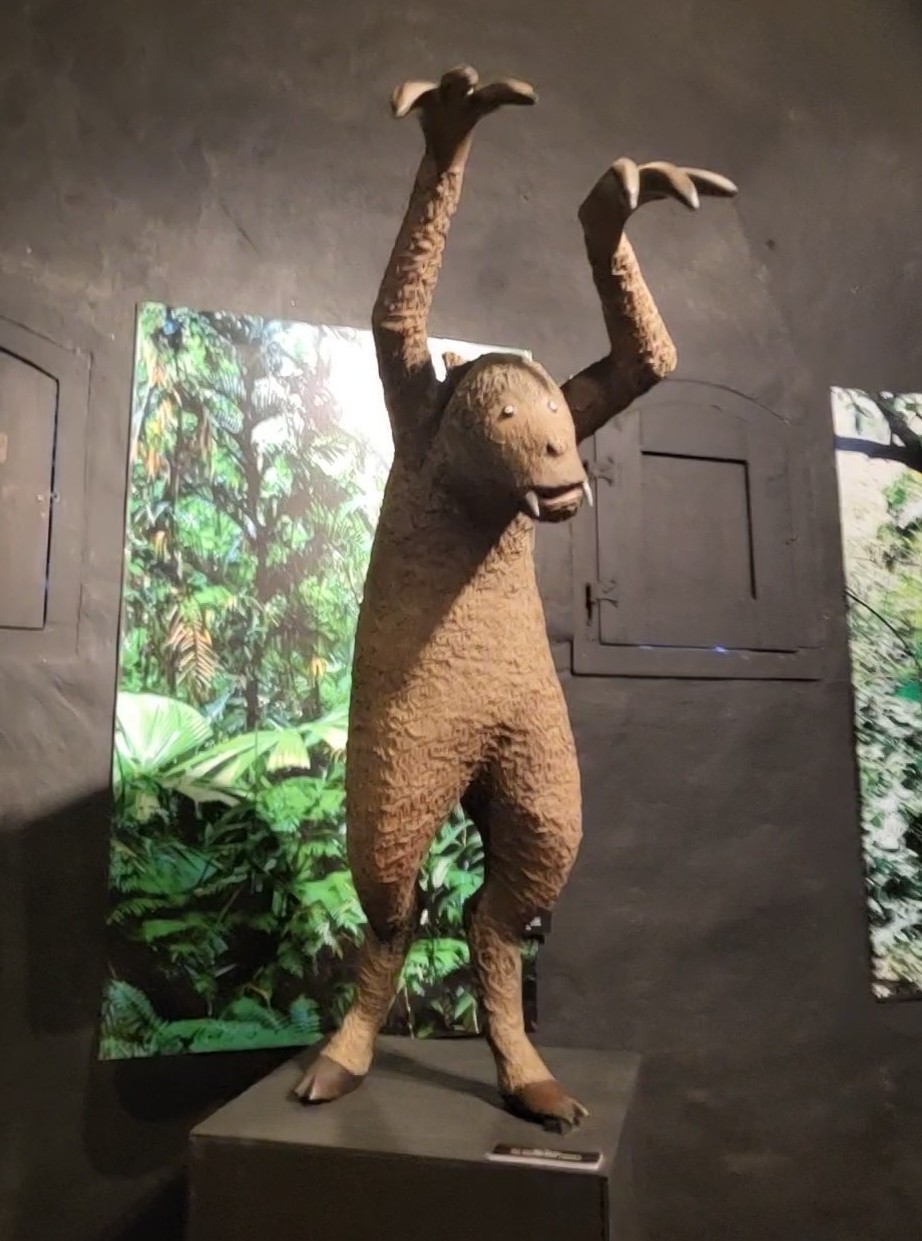
The Pombero, the Kurupi and the Luisõ turned into sculpture: Guarani mythology as imagined by Ramón Elías.

Itauguá · Central
Itauguá
The capital of ñandutí: handmade 'spiderweb' lace, sold right along Route PY02.

San Bernardino · Cordillera
San Bernardino
An 1881 German colony on the shores of Ypacaraí and Paraguay's summer capital: lakeside promenade, bars and long nights.
Researched and reviewed in September 2026 with 7 sources. A second reviewer checked dates, coordinates and lodging. Hours and prices may change.