
NT
Rhea americana
Greater rhea
ñandu
The largest bird in the Americas: it can't fly, but it runs at great speed across grasslands and savannas.
Nature
Paraguay has no coastline, but it has the nature of an entire continent. Within its borders you'll find the Chaco, the southern tip of the Pantanal, the Cerrado, the last remnants of the Upper Paraná Atlantic Forest and the great marshes of the south. This is home to the jaguar, the giant armadillo, the maned wolf and the Chacoan peccary, or taguá, a species known only from fossils until 1975, when scientists confirmed it was still alive in the Chaco. More than 700 bird species have been recorded here. Many of these landscapes are under threat, and traveling with local guides is one way to help protect them. It pays to follow the seasons: the pink lapacho (tajy) in bloom at the end of winter, the bellbird calling in spring, and flamingos on the Chaco's salt lagoons.
700species
Paraguay has more than 700 recorded bird species (Guyra Paraguay cites “700+”; the South American Classification Committee's list counts 694 confirmed species, depending on the criteria used). A single trip can combine birds of the Atlantic Forest, the Dry Chaco, the Cerrado, the Pantanal and the southern grasslands. The Bay of Asunción and the Chaco's salt lagoons are stopovers for shorebirds arriving from North America. Many species are threatened, so going with local guides also supports their conservation.
Season: The best time overall is spring (September to November): resident birds are singing and breeding, the bellbird rings out in the eastern forests, and migrants arrive from North America, staying until April. Winter (June to August) is the most comfortable season for the Chaco: it's less hot, the roads are dry, birds gather at waterholes, and flamingos and swans appear on the salt lagoons. In summer the Chaco tops 40 °C and rains can cut off dirt roads. Whatever the season, head out at dawn.
Rhea americana
ñandu
The largest bird in the Americas: it can't fly, but it runs at great speed across grasslands and savannas.

Jabiru mycteria
tujuju
The largest stork in the Americas: white, with a black head and an unmistakable red collar.

Ramphastos toco
tukã
The largest toucan, with a huge orange bill; it frequents forests, savannas and even gardens.

Anodorhynchus hyacinthinus
gua'a hovy
The world's largest flying parrot, an intense cobalt blue; in Paraguay it is scarce and found only in the north.

Procnias nudicollis
guyra campana
Paraguay's national bird since 2004. Its metallic call rings through the Atlantic Forest.

Phoenicopterus chilensis
Pink flocks on the salt lagoons of the Central Chaco, an unexpected spectacle in the heart of Paraguay.

Harpia harpyja
taguato ruvicha
The largest eagle in the Southern Hemisphere, a hunter of monkeys in the forest canopy; extremely rare in Paraguay.

Chauna torquata
chahã
The noisy sentinel of the marshes: it cries “chajá” and warns everyone when someone approaches.
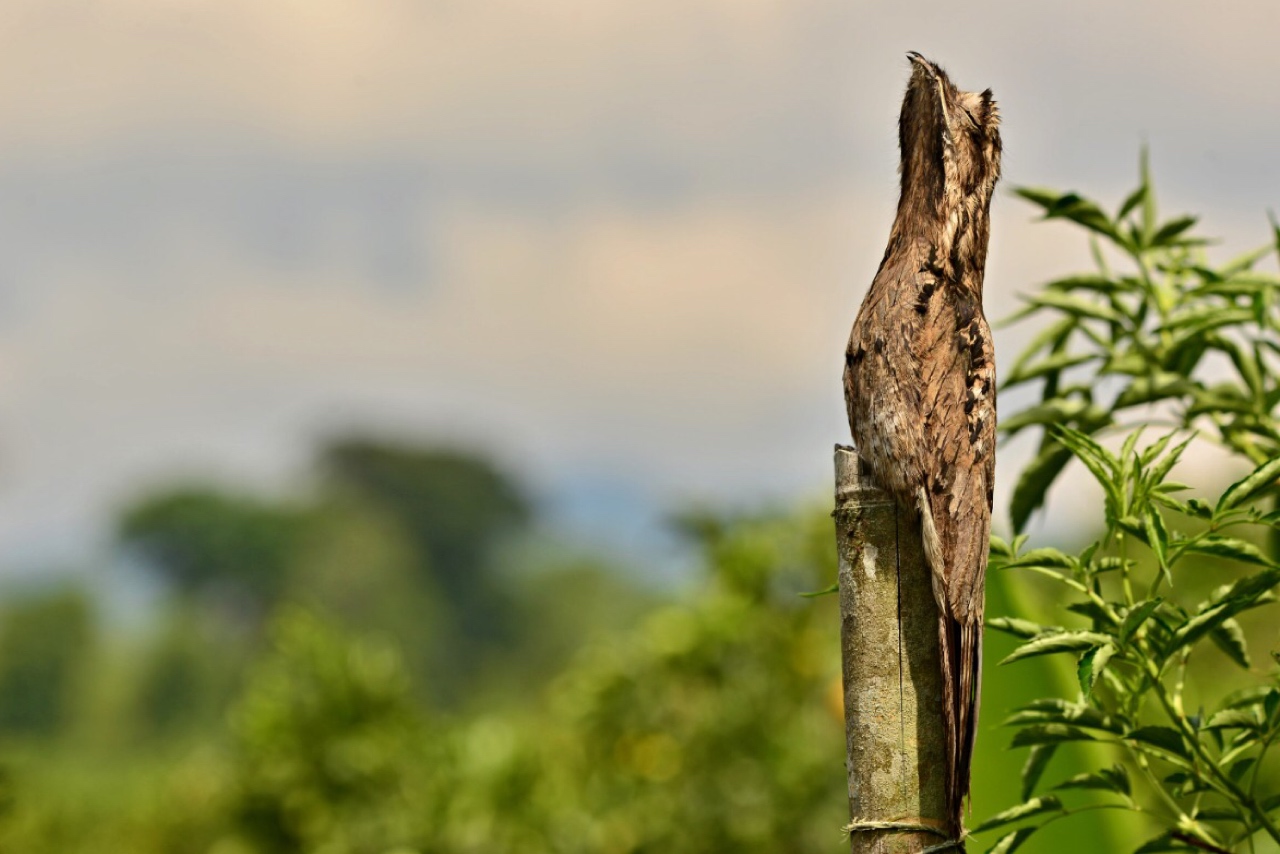
Nyctibius griseus
urutau
The bird that disguises itself as a branch and sings at night with a lament that gave rise to legends.

Platalea ajaja
ajaja
A pink bird with a spoon-shaped bill that “sweeps” the mud of the marshes for food.

Amazona aestiva
A green parrot with a blue forehead and yellow face, heavily targeted by the pet trade.

Pipile jacutinga
jakutinga
A black forest guan with a white face and red-and-blue wattle, a threatened jewel of the Atlantic Forest.