
National park · Amambay
Parque Nacional Cerro Corá
The hills of Amambay, forests and the setting for the end of the War of the Triple Alliance, with pre-Columbian rock art.
5,683 haAccess
Nature
Paraguay has no coastline, but it has the nature of an entire continent. Within its borders you'll find the Chaco, the southern tip of the Pantanal, the Cerrado, the last remnants of the Upper Paraná Atlantic Forest and the great marshes of the south. This is home to the jaguar, the giant armadillo, the maned wolf and the Chacoan peccary, or taguá, a species known only from fossils until 1975, when scientists confirmed it was still alive in the Chaco. More than 700 bird species have been recorded here. Many of these landscapes are under threat, and traveling with local guides is one way to help protect them. It pays to follow the seasons: the pink lapacho (tajy) in bloom at the end of winter, the bellbird calling in spring, and flamingos on the Chaco's salt lagoons.
National park · Amambay
The hills of Amambay, forests and the setting for the end of the War of the Triple Alliance, with pre-Columbian rock art.

National park · Paraguarí
Atlantic forest, crystal-clear streams and waterfalls a few hours from Asunción, next to a 19th-century iron foundry.

National park · Alto Paraguay y Boquerón
The country's largest protected area: pure Dry Chaco, with the Cerro León massif rising from the plain.

National park · Boquerón
The Dry Chaco right beside the Transchaco: thorn forest, Chacoan peccaries and Chaco War trenches.
National park · Boquerón y Alto Paraguay
Stabilized dunes, sandy plains and dry forest in the far northwest: home to Paraguay's only guanacos.

Reserve · Presidente Hayes
A great Pilcomayo wetland and Ramsar site: flooded grasslands where rheas and capybaras live alongside cattle.
National park · Alto Paraguay
The protected Paraguayan Pantanal: karanda'y palm groves, flooded forests and wetland wildlife along the Negro River.

Private reserve · Canindeyú
The largest remnant of Atlantic Forest in the country and Paraguay's most biodiverse place, a UNESCO biosphere reserve.

Reserve · Itapúa y Caazapá
The last great Atlantic forest in southern Paraguay, source of the Tebicuary and Pirapó rivers, with nearly 400 bird species.

National park · Alto Paraná
Forest beside the Paraná and the Ñacunday falls: a curtain of water some 40 m high in southern Alto Paraná.

Reserve · Guairá
Forest-covered hills, waterfalls and Tres Kandú, Paraguay's highest point (842 m).

Natural monument · Central
Sandstone in hexagonal columns, a geological rarity half an hour from Asunción, in Areguá.
Natural monument · Alto Paraná
The forest and home-laboratory of the Swiss scientist who studied the plants and culture of the Guaraní, on the banks of the Paraná.

Reserve · Alto Paraná
An Itaipú reserve near Hernandarias: forest, streams and small waterfalls, with facilities for visitors.

Reserve · Asunción
An urban wetland facing the historic center, with 269 bird species and a key stopover for shorebirds from North America.

Reserve · Asunción
Asunción's green lung: forests, savannas and lagoons where you can see tegus, foxes and waterbirds.

National park · Paraguarí, Central y Ñeembucú
A lake, marshes and floating islands in the largest wetland near Asunción, a Ramsar site and refuge for deer and birds.
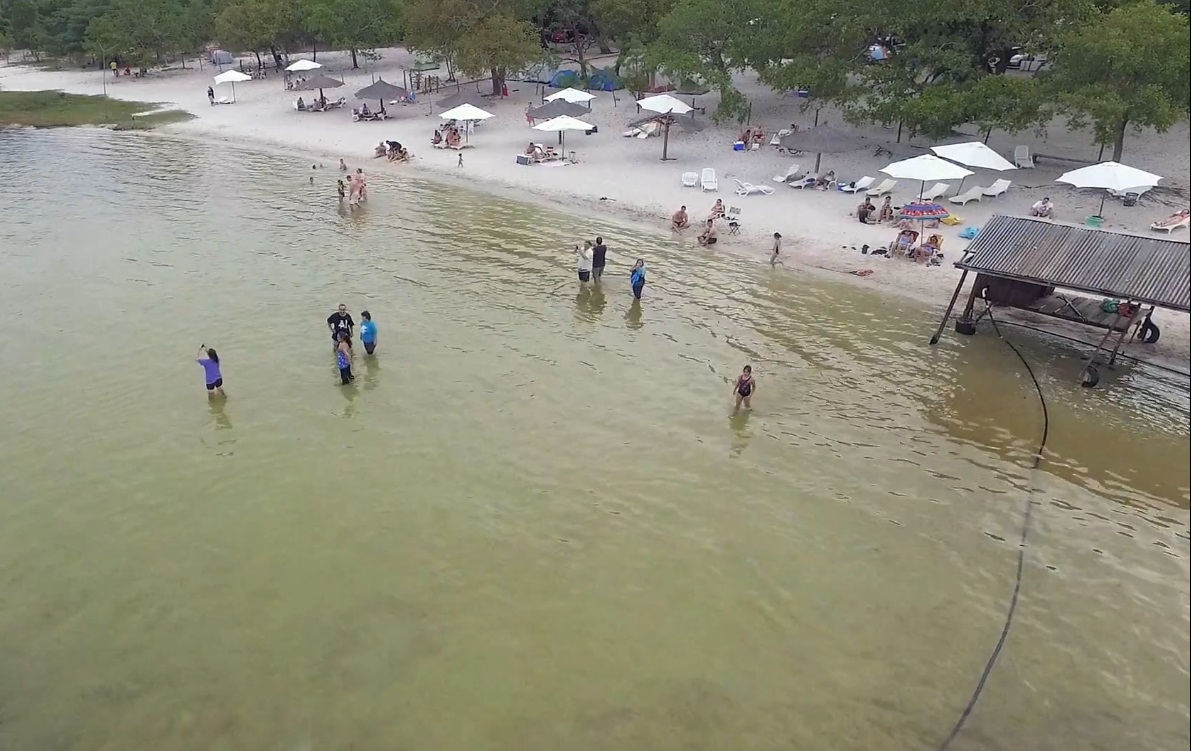
Private reserve · San Pedro
A lagoon of transparent water and white-sand beaches in the heart of the Cerrado, with 283 bird species recorded.
Private reserve · Presidente Hayes
Salt lagoons in the Central Chaco with flamingos, spoonbills and shorebirds, on land owned by the Chortitzer cooperative.
Private reserve · Presidente Hayes
An estancia with the largest salt lagoon in the Chaco, a Ramsar wetland with flamingos and coscoroba swans.

Private reserve · Alto Paraguay
Guyra Paraguay's reserve in the Pantanal, on the banks of the Negro River: the gateway to the great wetland.

Private reserve · Paraguarí
A private reserve in the hills of Paraguarí that combines forest trails with adventure tourism.
National park · Concepción
A large area of Cerrado and dry forest in northern Concepción, along the Apa River and the Brazilian border.
National park · Caazapá
Forested hills where the Monday, Ñacunday and Tebicuary rivers begin, with monkeys, toucans and wild cats.
Natural monument · Alto Paraguay
An isolated hill on the Bolivian border, with reddish soils and a forest unlike any other in the Chaco.